Surface finishing is where a printed box starts to feel like a brand experience. The right finish can make packaging look more premium, protect the printed surface, create a stronger tactile impression and help products stand out on retail shelves.
For overseas buyers, finishing decisions should not be made only by appearance. Each process affects cost, production time, material choice, artwork preparation and quality control. This guide explains the main options and how to choose a practical finish combination for your packaging project.
Why Surface Finishing Matters
Printing gives packaging its color and information. Finishing adds the final layer of protection, texture and perceived value. A simple folding carton can feel more refined with matte lamination and spot UV; a rigid gift box can feel more luxurious with foil stamping and embossing.
Finishing also helps guide customer attention. Gloss highlights can pull the eye toward a logo, foil can signal premium value, and embossing can make a brand mark memorable through touch. The best finish supports the product position instead of overwhelming the design.

Common Packaging Finishes
These are the finishing options most often used for paper packaging. Many projects combine two or more finishes, but the combination should match the artwork, material and target price.

Foil Stamping
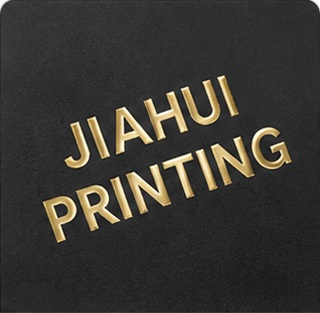
Foil stamping applies a metallic foil to selected artwork areas, often using gold, silver or custom metallic colors. It creates a premium visual highlight and works well for logos, product names, borders and small decorative details.
Best for: Luxury packaging, cosmetics, wine and spirits, gift boxes and premium retail cartons.

Spot UV
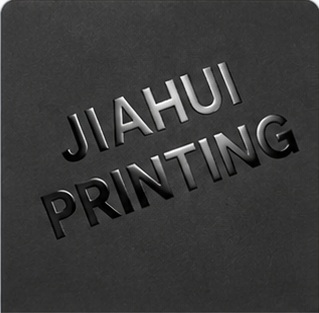
Spot UV adds glossy coating only to selected areas of the printed surface. The contrast between matte background and glossy highlight helps logos, patterns or product features stand out without changing the whole package.
Best for: Folding cartons, rigid boxes, brochures, labels and packaging that needs selective visual contrast.

Embossing and Debossing
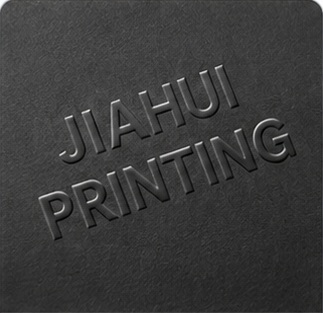
Embossing raises part of the paper surface, while debossing presses it inward. Both techniques add tactile depth and make packaging feel more crafted and premium in the customer’s hands.
Best for: Brand logos, monograms, luxury gift boxes, beauty packaging and textured presentation boxes.

Matte and Gloss Lamination
Lamination covers the printed surface with a protective film. Matte lamination gives a calm, refined look, while gloss lamination makes colors look brighter and more reflective.
Best for: Retail cartons, paper bags, rigid boxes and packaging that needs extra handling protection.

Soft-Touch Lamination
Soft-touch lamination creates a smooth, velvety surface that feels more premium than standard matte lamination. It is often combined with foil stamping, spot UV or debossing for stronger contrast.
Best for: High-end cosmetics, electronics, gift packaging and brand launches.
Finishing Comparison at a Glance
Use this table as a practical starting point when comparing design concepts or supplier quotations. Final cost depends on artwork coverage, material, order quantity and production requirements.
| Finish | Main effect | Cost level | Best use |
|---|---|---|---|
| Foil stamping | Metallic shine and premium detail | $$$ | Luxury logo and decorative highlights |
| Spot UV | Gloss contrast on selected areas | $$ | Logo, pattern and visual focus |
| Embossing / Debossing | Raised or pressed tactile effect | $$ | Premium touch and brand mark |
| Matte lamination | Smooth protective surface | $ | Elegant retail packaging |
| Gloss lamination | Bright color and shine | $ | Vibrant printed packaging |
| Soft-touch lamination | Velvety luxury hand feel | $$ | Premium boxes and gift packaging |
How to Choose the Right Finish
Start with the brand position. If the product is price-sensitive and sold in large retail quantities, matte or gloss lamination may be enough. If the product is positioned as premium, add one focal finish such as foil stamping, spot UV, embossing or soft-touch lamination.
Next, consider the packaging material. Smooth white board supports fine printing and sharp finishing details. Kraft paper creates a natural look but may not show subtle foil or spot UV contrast as clearly. Specialty papers can add texture, but they require careful testing before mass production.
Finally, control the number of finishes. A clean design with one or two well-placed finishes often looks more expensive than a package with too many effects. Good finishing should make the design more focused, not more crowded.
Quality Control for Surface Finishing
Finishing quality depends on registration accuracy, pressure control, surface cleanliness and material compatibility. For foil stamping and spot UV, the finished effect must align with the printed artwork. For embossing and debossing, pressure must be consistent so the surface looks clean without cracking or deformation.
Before mass production, it is best to confirm samples under real lighting conditions. Metallic foil, gloss coating and textured finishes can look different in photos, on screen and in hand. A physical sample is the safest way to confirm appearance and touch.
How Jiahui Printing Helps with Finish Selection
Jiahui Printing helps overseas buyers match surface finishing with packaging structure, material, artwork and budget. We can recommend practical combinations, prepare samples, check finishing registration and support production quality control from printing to final packing.