
Packaging Guides
Box Structure Guide
Compare common box structures, materials, cost levels and ideal applications. Use this guide to select the right packaging solution for your product, brand positioning and supply chain.
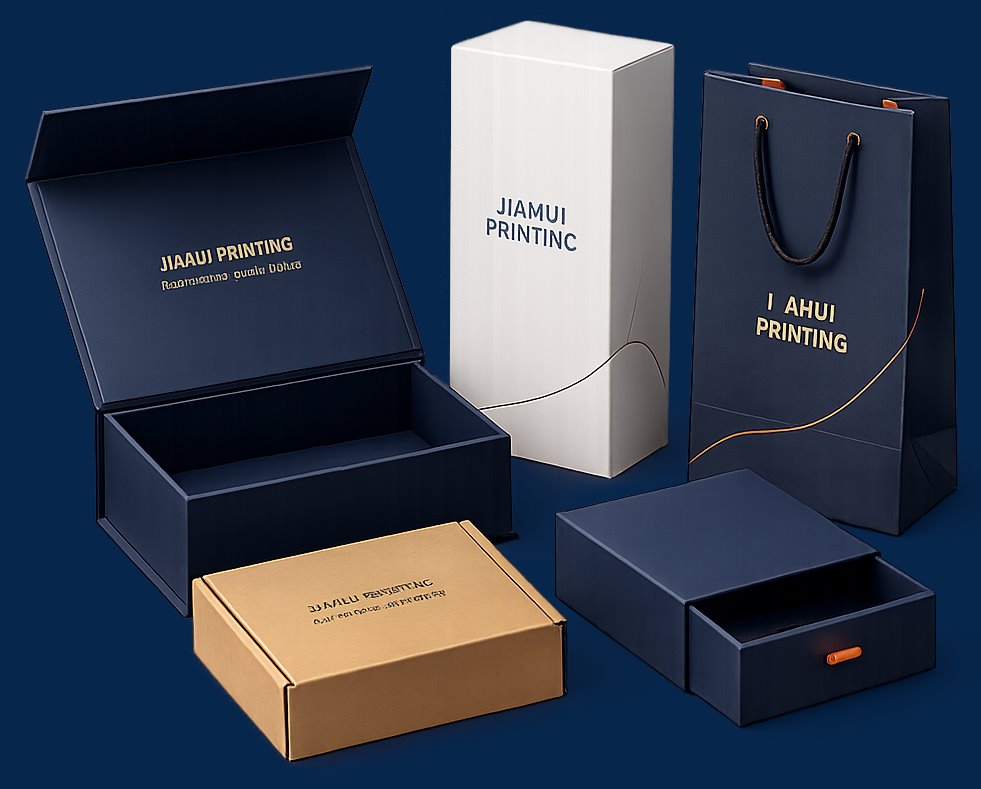
Structure Options
Choose a Structure by Product, Shipping Route and Shelf Goal
Start from protection needs, then confirm material, cost level and packing method before sampling. Each option below shows practical use cases instead of only box names.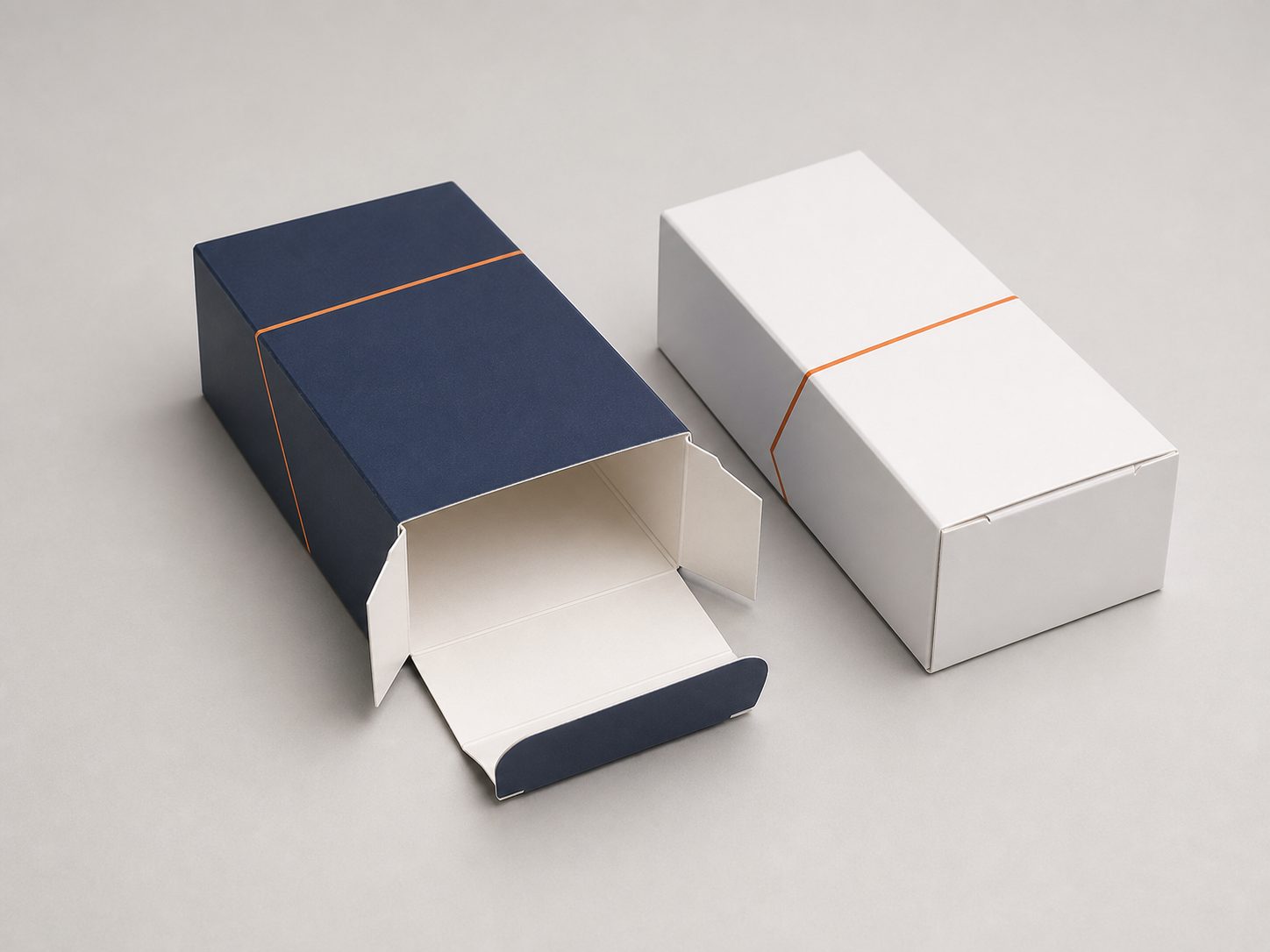
Straight Tuck End Carton
- Material
- SBS, CCNB, kraft
- Cost Level
- $
- Best For
- Cosmetics, pharma, small retail products
- Notes
- Simple, cost-effective and easy to pack.
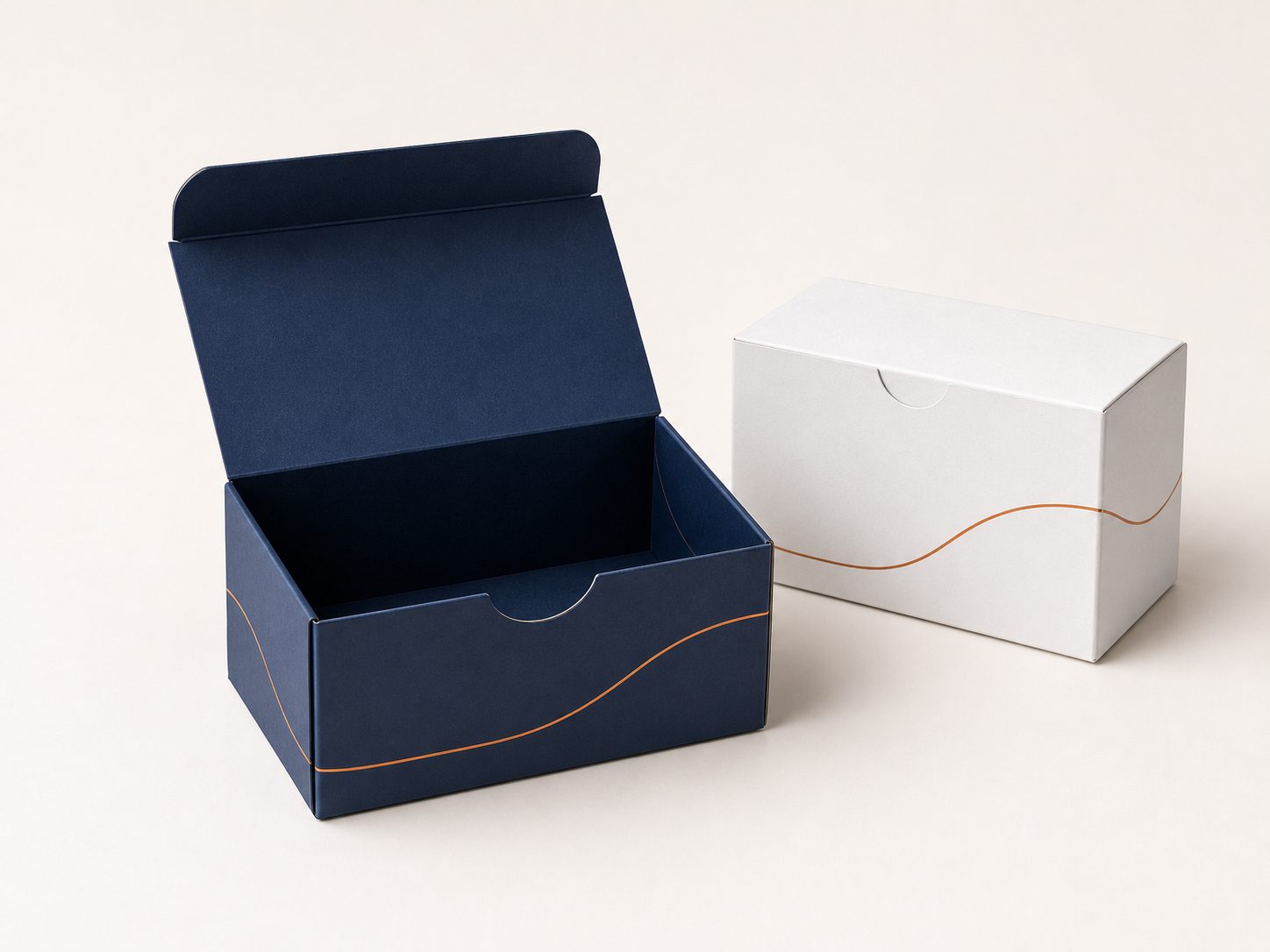
Reverse Tuck End Carton
- Material
- SBS, CCNB, kraft
- Cost Level
- $
- Best For
- Retail, food and daily consumer goods
- Notes
- Tuck in opposite directions for display.
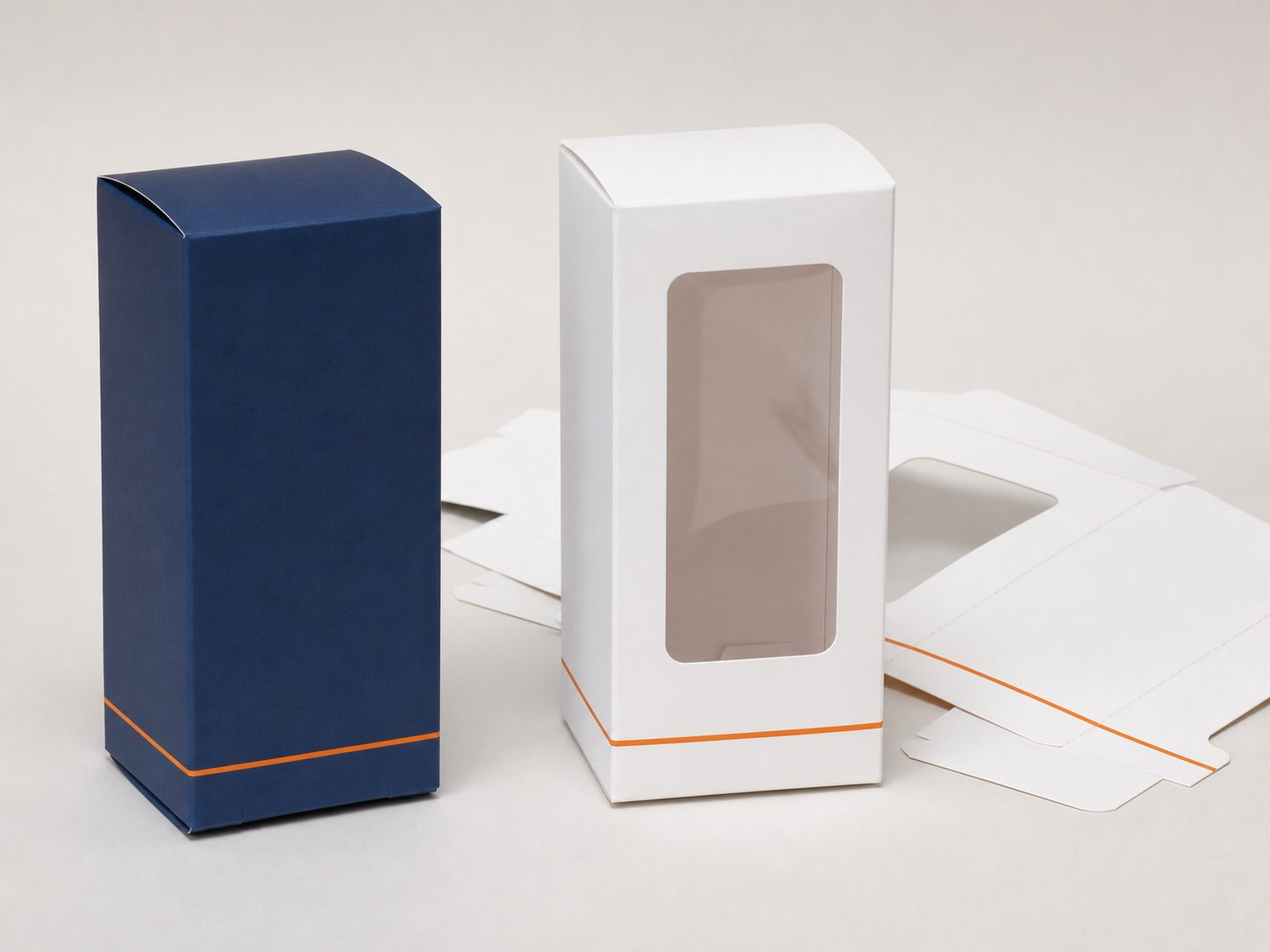
Auto Lock Bottom Carton
- Material
- SBS, CCNB, kraft
- Cost Level
- $$
- Best For
- Heavier items, cosmetics, supplements
- Notes
- Strong bottom, no glue required during packing.
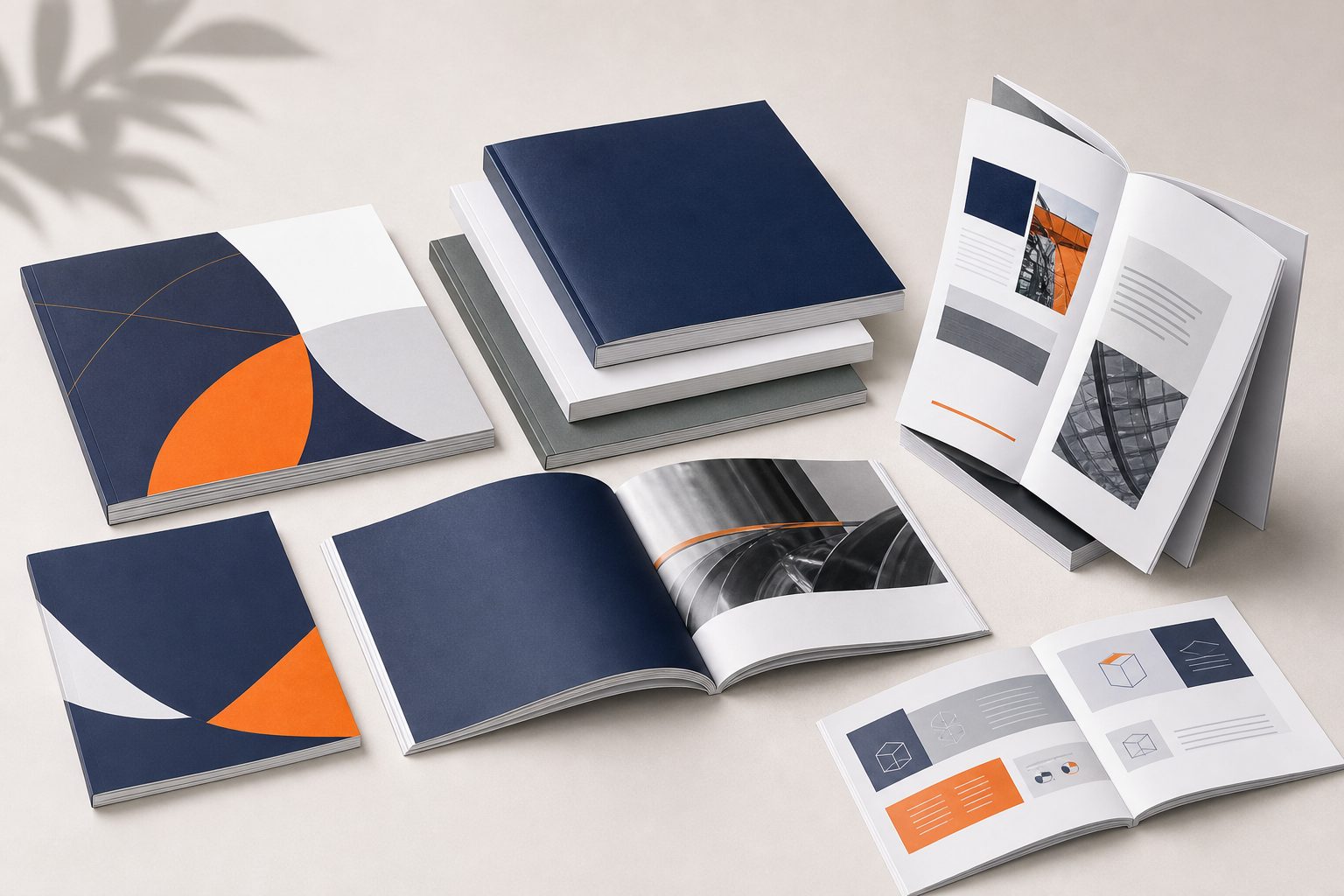
Sleeve Box
- Material
- SBS, art paper
- Cost Level
- $$
- Best For
- Apparel, gift sets, stationery
- Notes
- Simple slide-on sleeve for presentation.
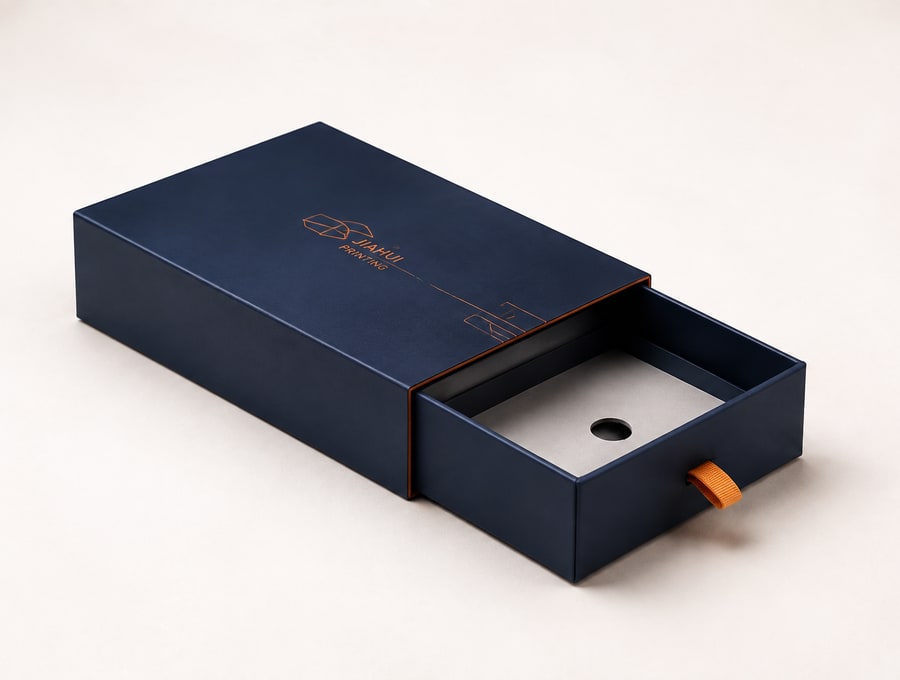
Drawer / Slide Box
- Material
- SBS, greyboard
- Cost Level
- $$
- Best For
- Apparel, electronics, premium gifts
- Notes
- Smooth slide-out experience.
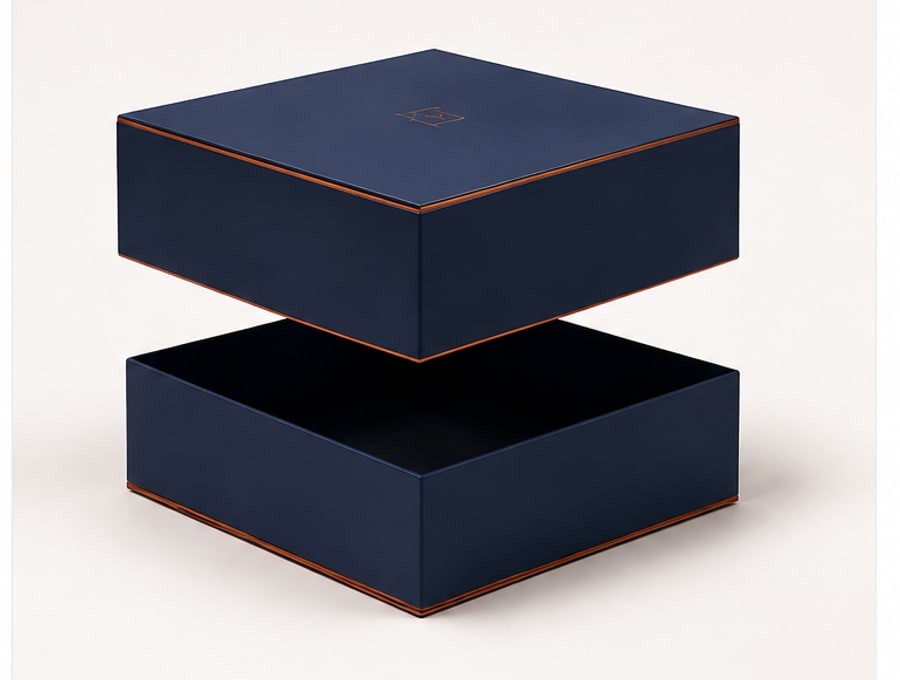
Lid and Base Rigid Box
- Material
- Greyboard, paper
- Cost Level
- $$$
- Best For
- High-end gifts, watches, cosmetics
- Notes
- Sturdy, premium presentation.
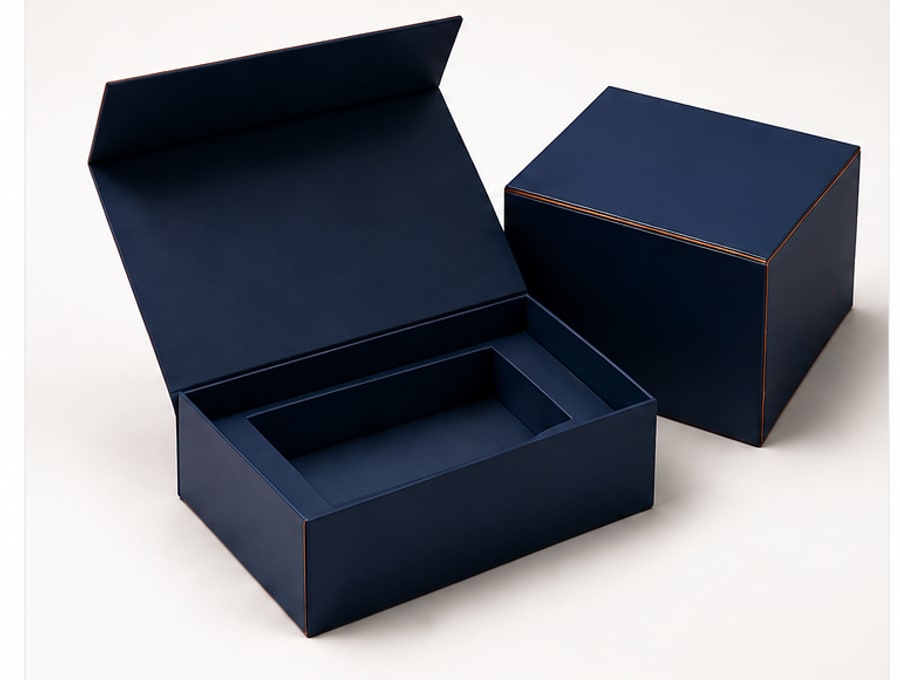
Magnetic Closure Box
- Material
- Greyboard, paper
- Cost Level
- $$$
- Best For
- Luxury packaging, corporate gifts
- Notes
- Book-style opening with magnetic flap.
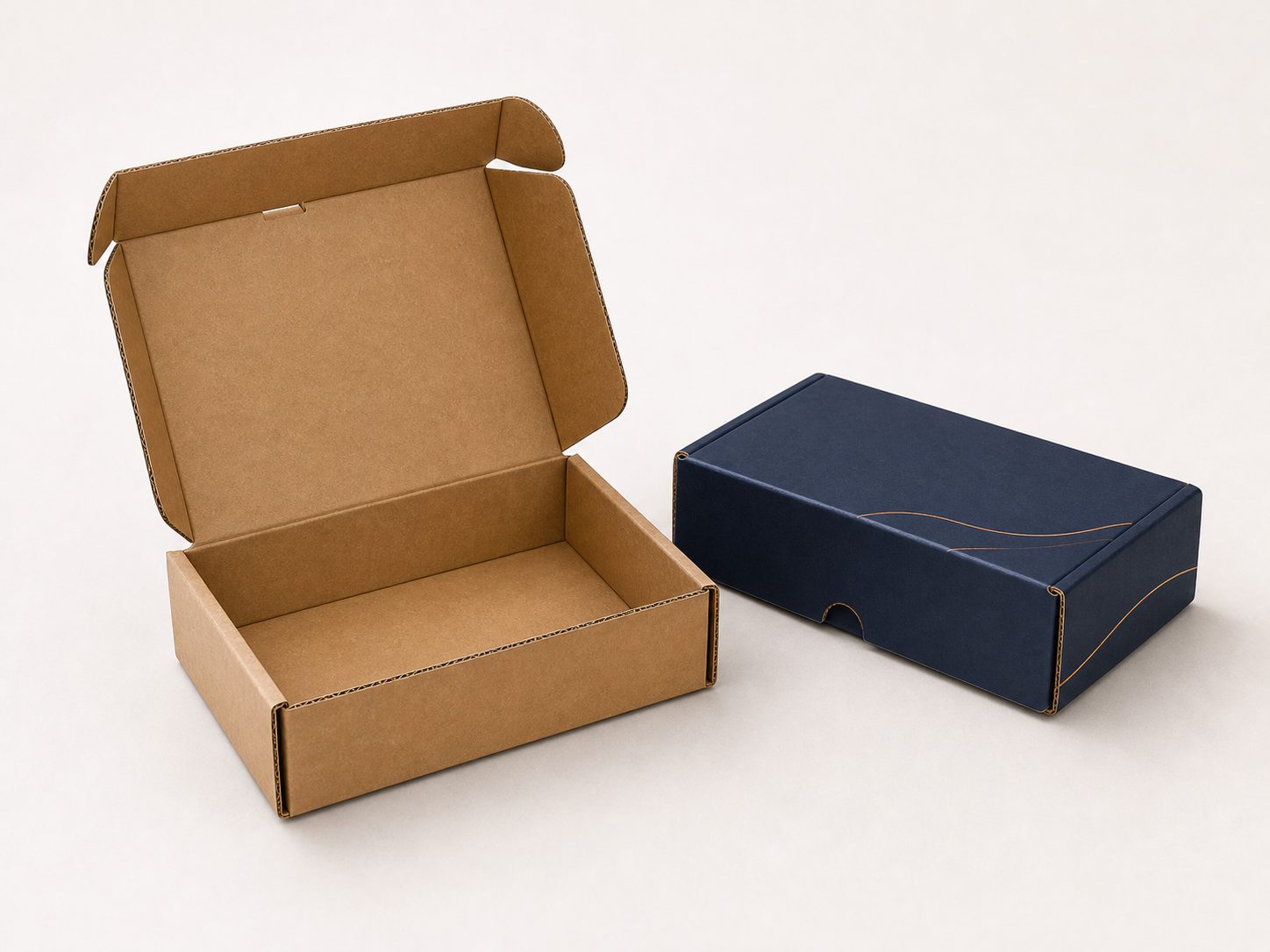
Corrugated Mailer Box
- Material
- E-flute, B-flute
- Cost Level
- $
- Best For
- E-commerce, retail mailers, subscription boxes
- Notes
- Protects and promotes your brand.

Corrugated Shipping Carton
- Material
- 3/5-ply corrugated
- Cost Level
- $
- Best For
- Shipping, logistics, warehouse
- Notes
- Strong, economical standard box.
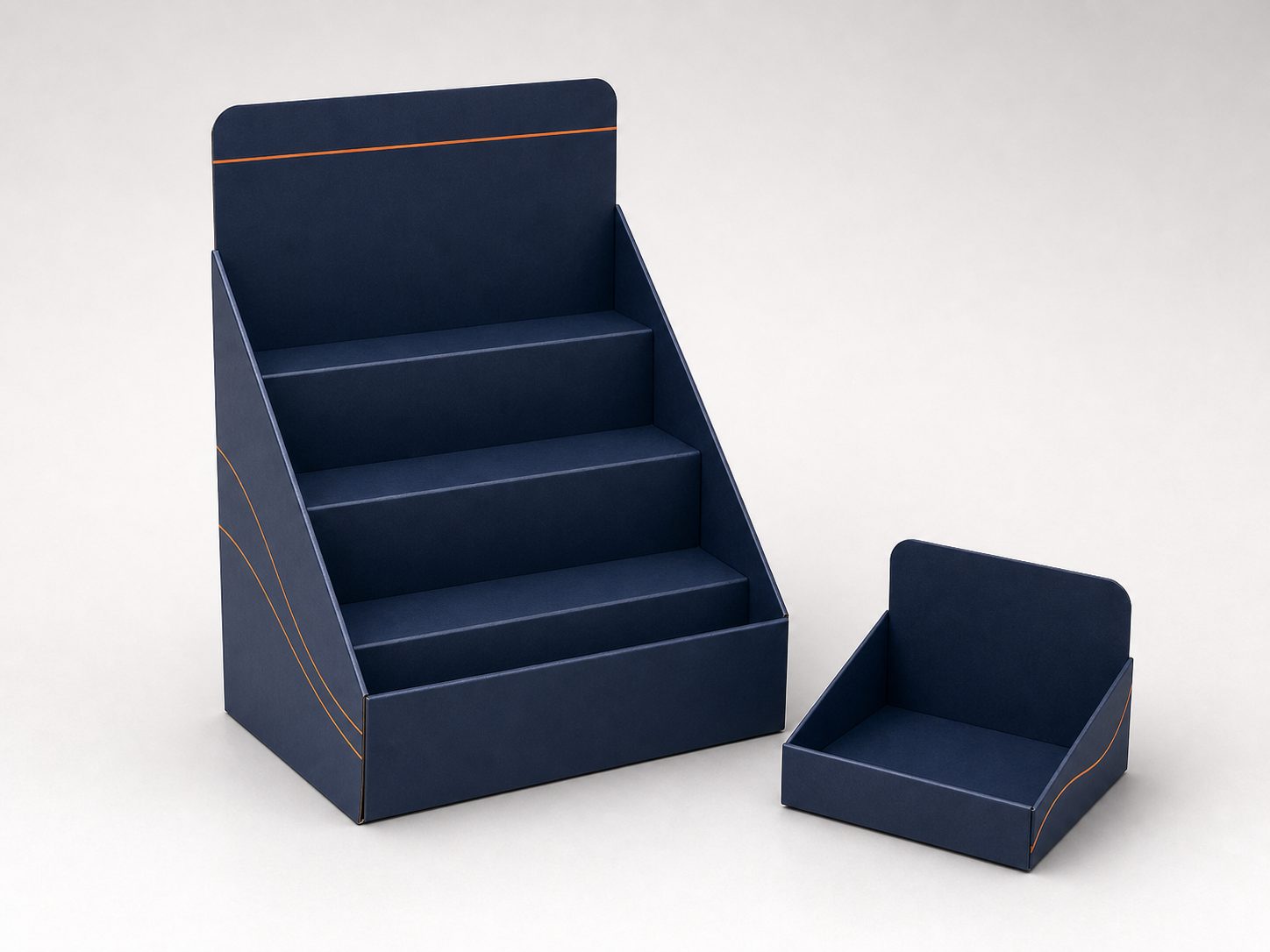
Counter Display Box
- Material
- SBS, CCNB
- Cost Level
- $$
- Best For
- Retail displays, impulse sales
- Notes
- Increases visibility at point of sale.
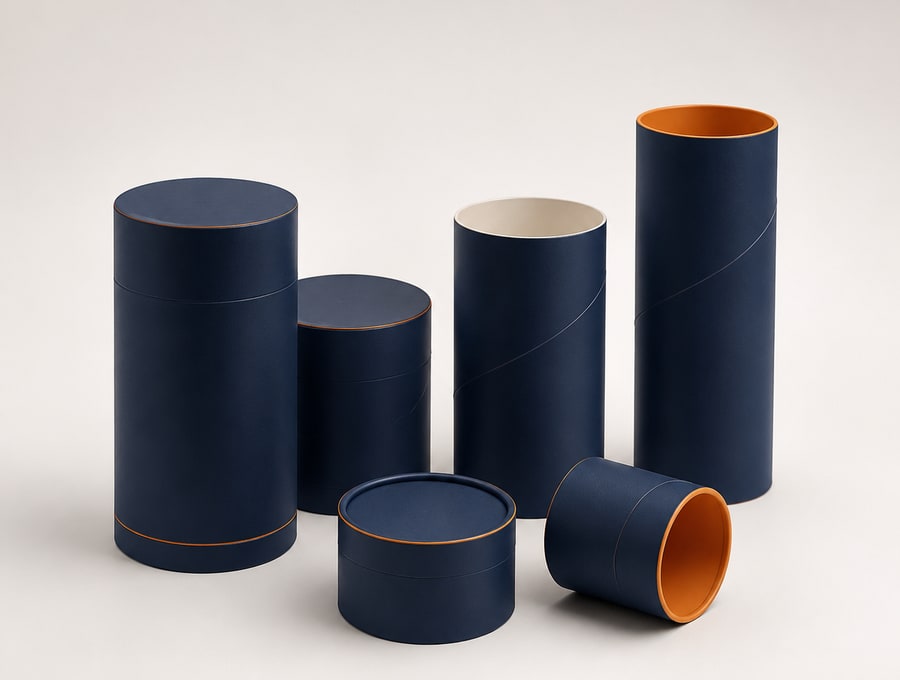
Paper Tube / Round Box
- Material
- Paper tube, metal ends
- Cost Level
- $$
- Best For
- Cosmetics, tea, wellness products
- Notes
- Unique shape, eco and premium feel.
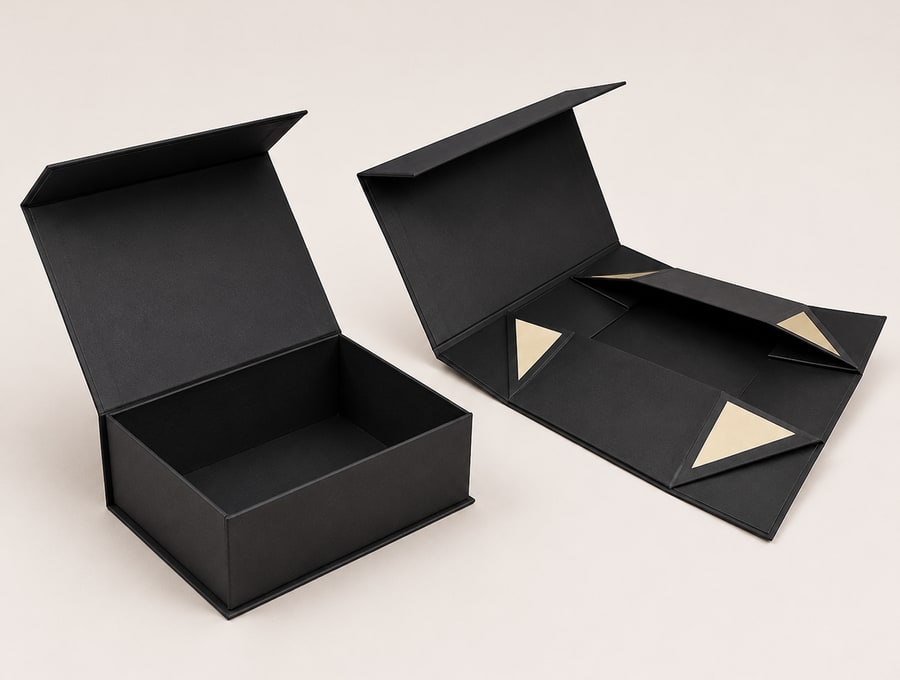
Collapsible Rigid Box
- Material
- Greyboard, paper
- Cost Level
- $$$
- Best For
- Premium products needing flat shipping
- Notes
- Ships flat and folds into a rigid box.
Structure Comparison at a Glance
| Structure Type | Protection Level | Customization Flexibility | Shipping Efficiency | Retail Presentation | Relative Cost |
|---|---|---|---|---|---|
| Folding Cartons | $-$$ | ||||
| Rigid Boxes | $$$ | ||||
| Corrugated Structures | $-$$ | ||||
| Retail Display | $$ | ||||
| Specialty Structures | $$-$$$ |
Note: Ratings are general guidelines. Actual performance may vary based on material, thickness and design.
How to Choose the Right Structure
Follow these 5 key steps to select the best box structure for your product, brand and logistics needs.
Analyze Your Product
Understand your product characteristics and protection requirements.
- Product size & weight
- Fragility level
- Protection requirements
- Insert or cushioning needs
Define Your Brand Experience
Consider how the packaging represents your brand and enhances customer experience.
- Shelf impact
- Unboxing experience
- Premium appearance
- Customer perception
Evaluate Shipping Needs
Choose a structure that can withstand your logistics and shipping conditions.
- Shipping distance
- Storage space
- Flat shipping requirements
- Transit protection
Consider Function & Inserts
Think about product positioning, internal protection and the opening experience.
- Compartments & dividers
- Trays & inserts
- Product positioning
- Opening experience
Balance Cost & Quantity
Find the right balance between your budget, order quantity and material choice.
- MOQ (Minimum Order Quantity)
- Material selection
- Production complexity
- Target budget
Frequently Asked Questions
Which box structure is best for heavy products?
Corrugated shipping cartons, corrugated mailers and rigid boxes usually provide stronger protection for heavier products.
What is the difference between folding cartons and rigid boxes?
Folding cartons are lightweight and cost-efficient. Rigid boxes use thicker greyboard and are better for premium presentation.
Can I print full-color graphics on all structures?
Yes, but print quality depends on the material surface. SBS, art paper and wrapped paper are best for high-detail graphics.
How do I reduce shipping cost and storage space?
Choose folding cartons, mailers or collapsible rigid boxes when flat packing and lower freight volume are important.
What is the minimum order quantity (MOQ)?
MOQ depends on structure, material and finishing. Share your dimensions and artwork goal for a practical recommendation.