Packaging Articles / Finishing

Spot UV vs Lamination: Key Differences

Compare two common packaging finishes and learn when to use spot UV, matte lamination, gloss lamination or a combined finish.

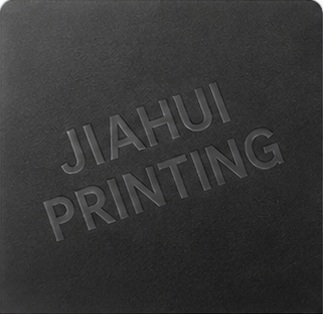
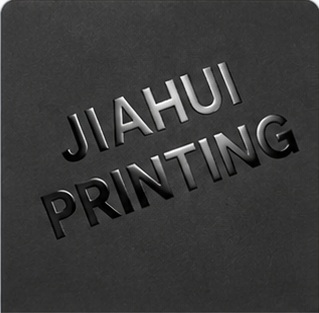
Spot UV effect on printed packaging surface

Spot UV and lamination are often discussed together, but they do different jobs. Spot UV creates selective shine and contrast, while lamination protects the whole printed surface and defines the overall hand feel of the package.

For overseas buyers, understanding the difference helps avoid overpaying for unnecessary effects or choosing a finish that does not match the product position. The best choice depends on artwork, material, budget, brand style and how the package will be handled.

What Is Spot UV?

Spot UV is a glossy coating applied only to specific artwork areas. It is commonly used on logos, patterns, product names and decorative shapes. Because the effect is selective, it works best when there is clear contrast between the coated area and the background.

A common premium combination is matte lamination plus spot UV. The matte base keeps the packaging quiet and refined, while the glossy UV area catches light and draws attention to the brand mark.

Matte lamination surface on packaging

What Is Lamination?

Lamination applies a thin film over the full printed surface. It protects the ink, improves handling resistance and changes the overall surface feel. The most common options are matte lamination, gloss lamination and soft-touch lamination.

Lamination is usually more about the whole package than one design detail. It affects how the box or bag feels in the customer’s hand and how well the surface resists scratches, rubbing and daily handling.

Common Finish Options

These options are often used alone or in combination. The right choice depends on the visual style, protection requirement and target price of the packaging.

Spot UV packaging finish comparison sample

Spot UV

Spot UV applies a glossy coating only to selected areas of the printed surface. It is often used to highlight a logo, product name, pattern or design detail against a matte background.

Best for: Visual contrast, logo highlights, premium detail and selective shine.

Matte Lamination packaging finish comparison sample

Matte Lamination

Matte lamination covers the full printed surface with a smooth protective film. It gives packaging a calm, refined appearance and is widely used as a base layer before adding spot UV.

Best for: Elegant retail packaging, premium cartons, rigid boxes and paper bags.

Gloss Lamination packaging finish comparison sample

Gloss Lamination

Gloss lamination covers the full surface with a shiny protective film. It makes printed colors appear brighter and more reflective, especially on high-color artwork.

Best for: Vibrant retail packaging, promotional boxes and designs that need strong color impact.

Soft-Touch Lamination packaging finish comparison sample

Soft-Touch Lamination

Soft-touch lamination creates a velvety surface with a premium hand feel. It is often paired with spot UV, foil or debossing to create stronger tactile contrast.

Best for: Luxury packaging, cosmetics, electronics and high-end gift boxes.

Spot UV vs Lamination Comparison

Use this table as a practical starting point when comparing finish options for cartons, rigid boxes, paper bags, sleeves or printed inserts.

FactorSpot UVLamination
CoverageSelected design areas onlyFull printed surface
Main purposeVisual contrast and highlightSurface protection and overall finish
Touch feelRaised or glossy highlightSmooth matte, gloss or soft-touch feel
ProtectionLimited to coated areasBroader scratch and handling protection
Common baseOften used over matte laminationCan be used alone or with extra finishes
Best forLogo, patterns, focal graphicsCartons, bags, rigid boxes, brochures

How to Choose Between Spot UV and Lamination

Start with the role of the finish. If you need the whole surface to feel smoother and resist handling, choose lamination. If the base surface already works and you want a focused visual highlight, add spot UV.

Then look at the artwork. Spot UV works best on simple designs with clear focal points. If the artwork is busy, a full-surface matte or gloss lamination may look cleaner and more consistent.

Quality Control Notes

Spot UV requires accurate registration with the printed artwork. If the UV layer shifts, the highlight can look misaligned. Lamination quality depends on surface cleanliness, film adhesion, edge trimming and avoiding bubbles or wrinkles.

For premium packaging, confirm a physical sample before mass production. Gloss level and hand feel can look different on screen, in photos and under real retail lighting.

How Jiahui Printing Helps with Finish Selection

Jiahui Printing helps overseas buyers compare spot UV, matte lamination, gloss lamination, soft-touch lamination and combined finishing plans. We can recommend practical options based on artwork, material, structure, budget and target market.