Folding carton structure affects more than the way a box opens. It influences product fit, packing speed, material cost, shelf presentation, shipping protection and the customer’s first impression of your brand.
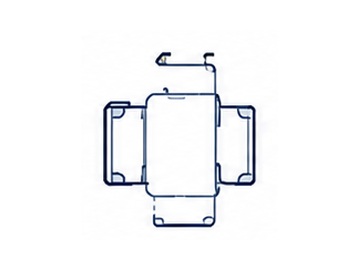
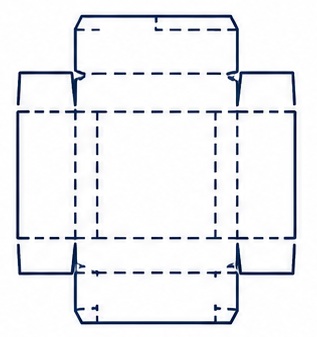
Many overseas buyers start with artwork and material, but structure should be decided early. A good dieline makes production smoother, protects the product better and helps avoid costly changes after sampling.
What Is a Folding Carton Structure?
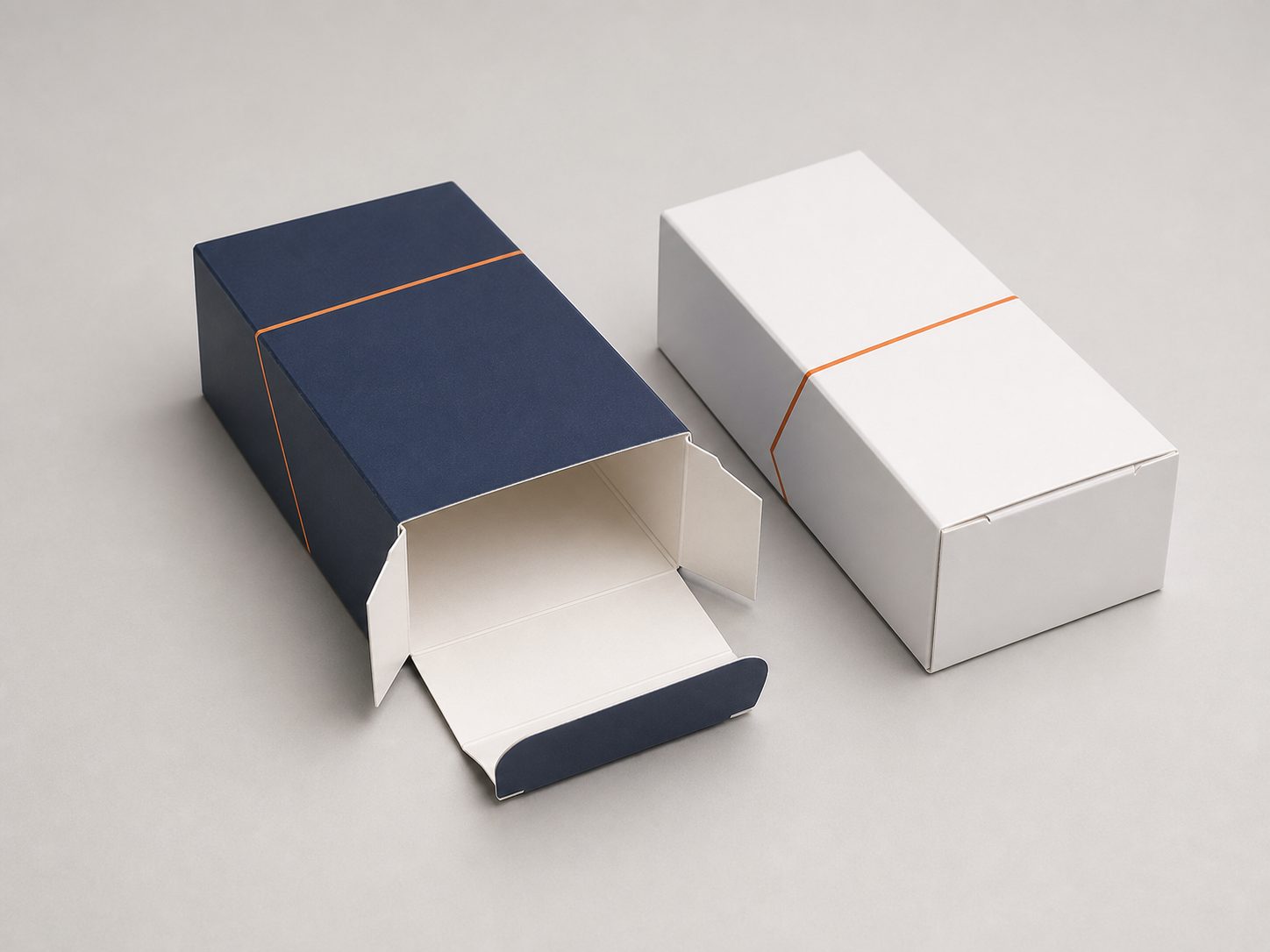
A folding carton is usually made from paperboard that is printed, die-cut, creased and glued. The structure is the way the carton folds, locks, opens and holds the product. Common styles include tuck-end cartons, auto lock bottom cartons, sleeve boxes and window cartons.
The right structure depends on the product size, product weight, packing process, retail display requirements and shipping method. A small lightweight product may only need a simple tuck-end carton, while heavier products may need an auto lock bottom or inner support.

Common Folding Carton Styles
These carton styles cover many retail packaging projects. They can be customized with different paperboard, printing, inserts, windows and surface finishes.

Straight Tuck End Carton
Straight tuck end cartons have top and bottom tuck flaps that close in the same direction. They are clean, simple and widely used for lightweight retail products.
Best for: Cosmetics, skincare, medicine boxes, small electronics and general retail cartons.

Reverse Tuck End Carton
Reverse tuck end cartons close with top and bottom flaps in opposite directions. This structure is efficient to produce and works well for many daily consumer products.
Best for: Food, health products, retail goods and cost-sensitive packaging projects.

Auto Lock Bottom Carton
Auto lock bottom cartons fold open with a pre-glued bottom that locks automatically. They are faster to pack and provide stronger bottom support than simple tuck-end cartons.
Best for: Heavier cosmetics, jars, bottles, supplements and products needing stronger base support.

Sleeve Carton
A sleeve carton slides over an inner tray, product or another box. It is often used to add branding, protect a primary package or create a premium reveal.
Best for: Gift sets, apparel, stationery, electronics accessories and promotional packaging.

Window Carton
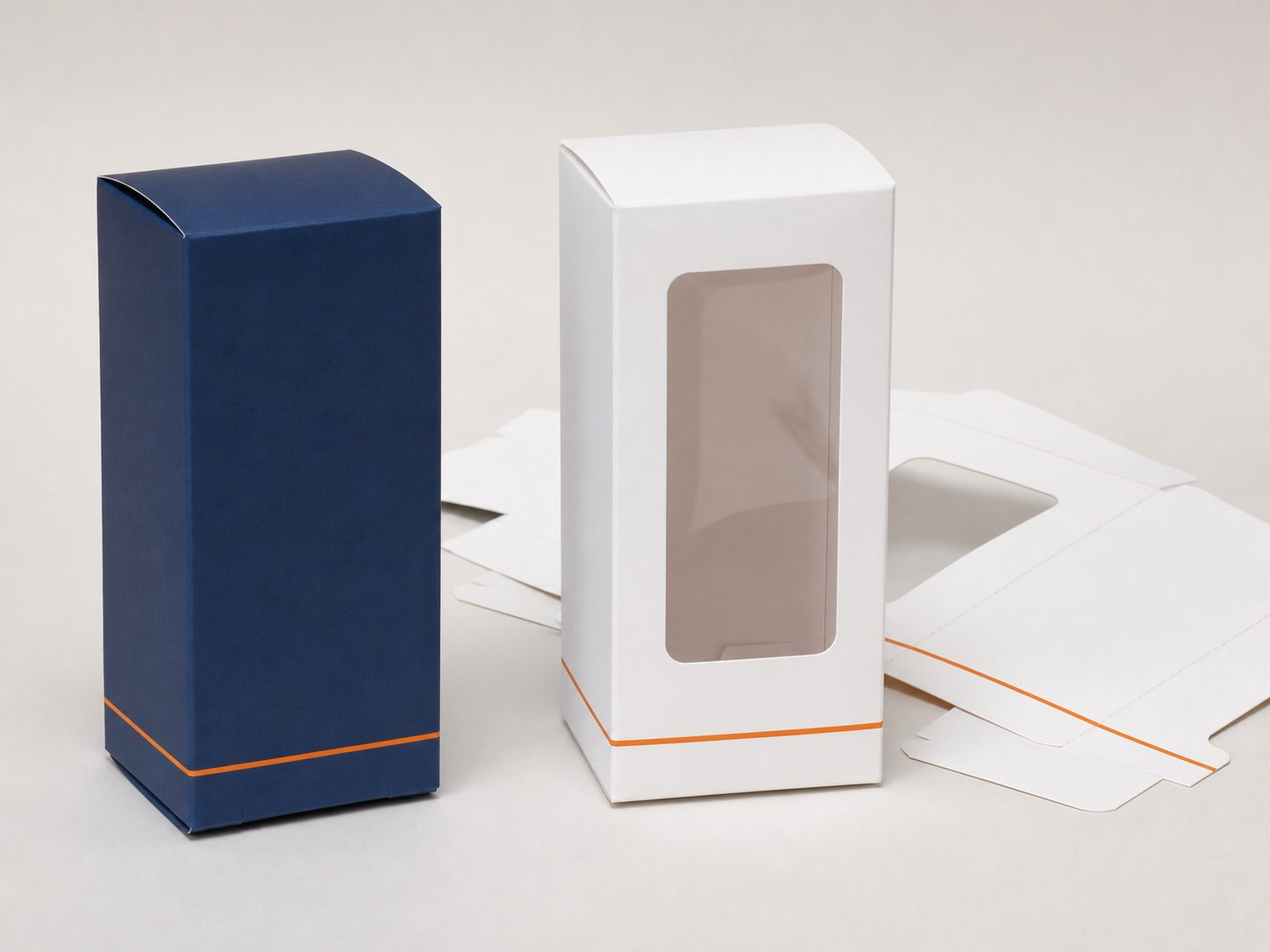
Window cartons include a die-cut opening with or without transparent film. They allow buyers to see the product while still keeping brand graphics on the printed carton.
Best for: Bakery, cosmetics, toys, accessories and retail products where product visibility helps conversion.
Folding Carton Structure Comparison
Use this table as a starting point when comparing structures. Final recommendations should still consider product weight, exact dimensions, board thickness and shipping conditions.
| Structure | Protection | Packing speed | Cost level | Best use |
|---|---|---|---|---|
| Straight tuck end | Medium | Fast | $ | Light retail products |
| Reverse tuck end | Medium | Fast | $ | Daily consumer goods |
| Auto lock bottom | Higher | Very fast | $$ | Heavier products |
| Sleeve carton | Medium | Medium | $$ | Brand presentation |
| Window carton | Medium | Medium | $$ | Product visibility |
How to Choose the Right Carton Structure
Start with the product itself. Measure the product accurately, check whether it needs an insert, and decide whether the carton is mainly for retail display, e-commerce delivery or secondary packaging. The structure should protect the product and support the selling channel.
Then consider packing efficiency. If workers need to assemble thousands of boxes, a structure that opens and locks quickly can reduce labor time. If the order is small or the product is light, a simpler structure may be more cost-effective.
- Product size and weight: Choose a carton structure that fits the product closely and supports the product weight without bulging or deformation.
- Packing workflow: If your team needs fast manual packing, auto lock bottom or pre-glued structures may save time.
- Retail display needs: If shelf appearance matters, consider front panel size, hanging holes, window placement and barcode position.
- Shipping protection: Folding cartons often need inner trays, inserts or outer cartons for international shipping.
- Artwork and finishing: Dielines, crease lines, foil, spot UV and embossing should be planned together so key artwork does not fall on folds.
Why Sampling Matters
Even a well-designed dieline should be tested with a physical sample. Sampling confirms product fit, flap tension, opening feel, crease strength, window position and whether the box can survive packing and shipping.
For export orders, sampling also helps identify if the folding carton needs a stronger outer carton, insert, tray or additional protection. Small adjustments before mass production can prevent much larger problems after shipping.
How Jiahui Printing Supports Structure Design
Jiahui Printing helps overseas buyers develop folding carton structures based on product dimensions, material, artwork, finishing and shipping requirements. We can prepare dielines, white samples, printed samples and production-ready structure recommendations before bulk manufacturing.